
Home
Pumpkins: Food Source or Art Form?
by Sally McCabe, for the Shuttle
October 8, 2026
by Sally McCabe, for the Shuttle
As autumn settles over the Greater Philadelphia area, farm stands and co-op display bins spill over with a vibrant sea of orange, deep green, muted cream, and dusty blue. For many, fall produce shopping begins and ends with picking a single large, smooth orange specimen destined for the front porch with a carved grin. However, limiting members of the Cucurbita family to a single look misses out on an incredible spectrum of shapes, sizes, textures, and long-lasting uses for fall displays and home storage.
Understanding the vast world of pumpkin varieties opens a creative palette for decorative fall styling, doorstep displays, and smart harvest management. Whether you are decorating your porch, stocking up your cold cellar, or harvesting from your own garden patch, knowing how to choose, harvest, cure, and store your winter crops will ensure you get the absolute most out of the seasonal harvest.
Pumpkin Varieties: Different Types of Pumpkins
When botanists talk about pumpkins, they are referring to specific cultivars within the squash family, primarily Cucurbita pepo, Cucurbita moschata, and Cucurbita maxima. Categorizing the different types of pumpkins by their structural and decorative qualities makes navigating your options straightforward.
Pumpkins for Eating
All pumpkins are edible (but don’t confuse them with gourds, which will put a really bad taste in your mouth). If it’s bitter, spit it out.) Just remember that they are often bred for looks and not tastiness, so expect to do some homework. Don’t be afraid to do some experimenting: I often find delicata and acorn squash for sale really cheap in the pumpkin pile, so I stock up. Those big, ugly, warty ones that look so great on your step make fantastic pies.
Pumpkins for Carving
When most people imagine pumpkins for carving, they think of field cultivars like ‘Connecticut Field,’ ‘Howden,’ or ‘Jack-O’-Lantern.’ Bred specifically for ornamental performance, these field types feature large sizes, thin walls for easy lighting, hollow interiors for easy scooping, and smooth rinds that yield cleanly to a knife. Because cut pumpkins deteriorate quickly, intact display varieties make a great long-term companion for autumn decorating.
Specialty Pumpkins for Decorating
Beyond classic field types, non-carving specialty varieties offer incredible visual appeal and last much longer through the season when left uncut:
Miniature Pumpkins: Varieties like ‘Jack Be Little’ (orange) and ‘Baby Boo’ (white) make excellent table centerpieces or windowsill accents.
White Pumpkins: Options like ‘Lumina’ and ‘Casper’ offer smooth, alabaster rinds that contrast beautifully with classic orange varieties.
Warty Heirloom Types: Cultivars such as ‘Galeux d’Eysines’ feature peach-colored skin coated in sugar warts formed as natural sugars build up along the rind.
Unusual Colors and Shapes: Flattened, ribbed heirlooms like ‘Jarrahdale’ (slate blue) and ‘Long Island Cheese’ (buff-colored) deliver striking architectural interest alongside ornamental gourds.
How to Harvest Pumpkins
Understanding how to harvest pumpkins at the right moment ensures your display specimens remain firm through the holiday season.
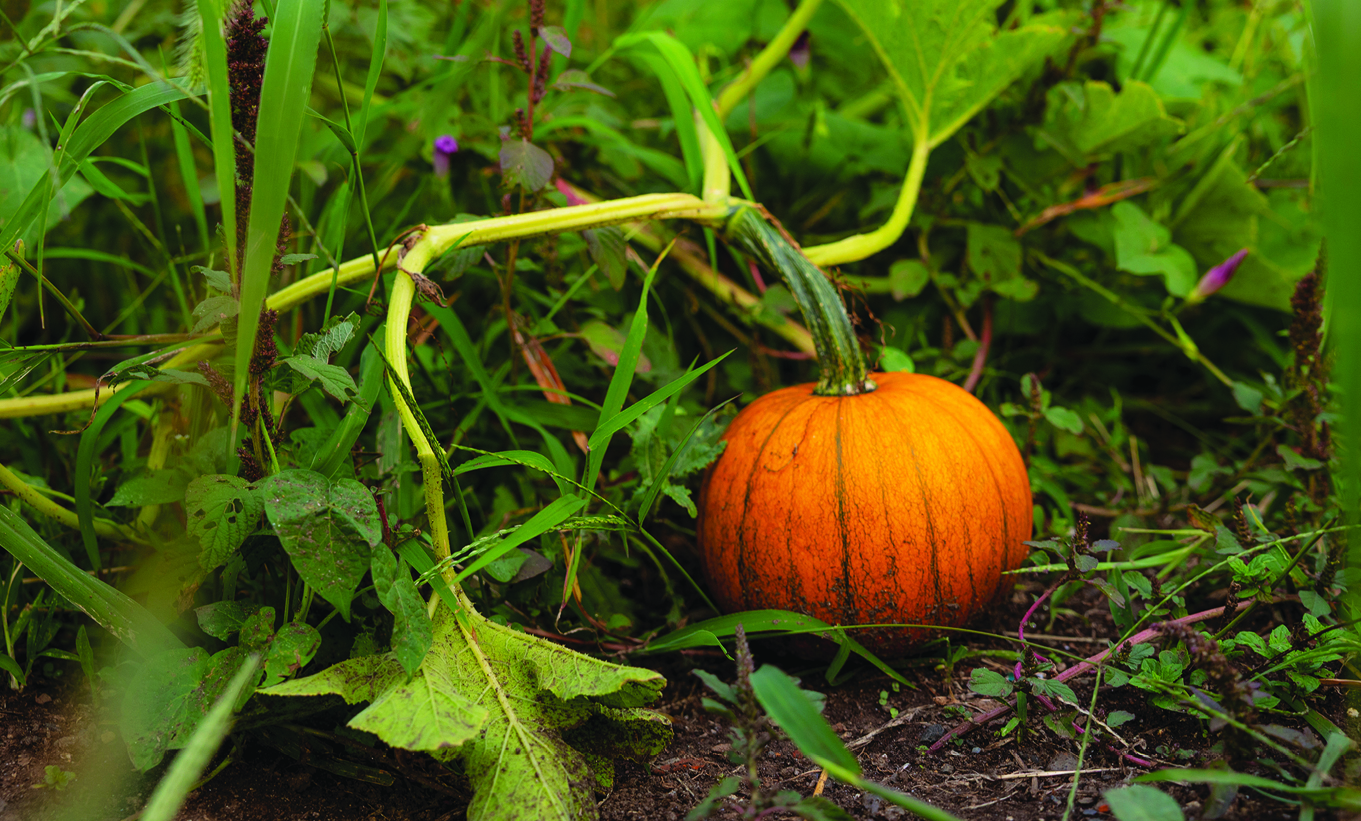
Gather mature squash when the rind achieves its full, mature color with no soft green spots remaining, the skin resists a thumbnail pressure test, and the stem dries out to a woody, corky texture. Always harvest before the first hard freeze, as freezing temperatures damage outer rind tissues and trigger rapid decay.
Use sharp, clean pruning shears to cut the fruit from the vine, leaving 3 to 5 inches of stem attached as a natural protective seal. Never pull the fruit by hand or carry a pumpkin by its stem, which can break the seal and introduce rot. Handle harvested squash gently to avoid scratches that compromise the rind.
How to Cure Pumpkins for Storage
Curing hardens the fruit’s skin and seals minor abrasions before long-term display. Place clean pumpkins in a warm (75°F to 85°F), well-ventilated location with moderate humidity for 10 to 14 days. A covered porch, greenhouse, or warm indoor room with good airflow works well.
Once cured, knowing how to store pumpkins correctly preserves their appearance for months:
Keep in a cool (50°F to 55°F), dry location out of direct sunlight and off damp concrete floors.
Arrange in a single layer with good air circulation, ensuring fruits do not touch or stack.
Inspect stored pumpkins every week or two and promptly remove any showing soft spots. This is especially important if you’re keeping them as pets in your kitchen or front hall. Bad smells will emanate if they start to rot from below.
If you’re not expecting to eat them ultimately, they make wonderful decorations through the fall into winter on the front steps, at least until the critters find them.
Saving pumpkin seeds is a fun way to reduce waste and explore plant propagation:
- Extract mature seeds and soak them in cool water so clean seeds float to the top.
- Spread seeds in a single layer on parchment paper or screen trays to dry in a warm, ventilated space for 2 to 3 weeks.
- Store fully dried seeds in labeled paper envelopes in a cool, dark place.
Note: Because members of the Cucurbita family cross-pollinate readily via bees, saved seeds may produce unexpected hybrid offspring rather than exact copies of the parent fruit.
What to Do with Leftover Pumpkins
When autumn celebrations conclude, intact decorative or carved pumpkins still have useful second lives:
Compost: Chop unpainted pumpkins into small pieces for your outdoor compost bin.
Wildlife snacks: Slice unpainted pumpkins open in back corners of the garden for birds, squirrels, and small mammals.
Feed livestock: Local animal rescue programs often accept clean, unpainted pumpkins as nutritious treats for goats, pigs, and chickens.
Dispose of in the back corner of the garden, where they can come up next year and provide you with edible flowers.
Stuff with other stuff: On TikTok, I saw someone carve one out and stuff in a bag of wine. Push the spout out through the mouth and enjoy dispensing your alcohol thru a jolly or even disapproving mouth!