Home
No More Plastic Bags in Bulk in the Bulk Department
By Gnadinger, for the Shuttle
October 8, 2026
by L Gnadinger, for the Shuttle
Starting Oct. 5, 2026, the Bulk Departments of Weavers Way will no longer offer single-use plastic bags to customers. We will also stop merchandising products in the Bulk Department in single-use plastic bags. This change came from repeated member requests (not least from the Plastic Reduction Task Force) to move away from single-use plastics in the stores.
Most of the time, taking plastic out of some aspect of the grocery store is maddeningly difficult. Even if you manage to accommodate local, state, and federal health code demands, we are a co-op with four very unique main stores and over 15,000 active member households. Even the simplest change needs to weigh the needs of all those members, each space, each store staff member, money (yuck), and more. You might check all those boxes with a working plan to strike plastic only to realize that the carbon output, public health, and chemical, land, or water use of your new plastic alternative is possibly worse than what you started with. I’m sure you’ve seen the Charlie Day conspiracy meme.
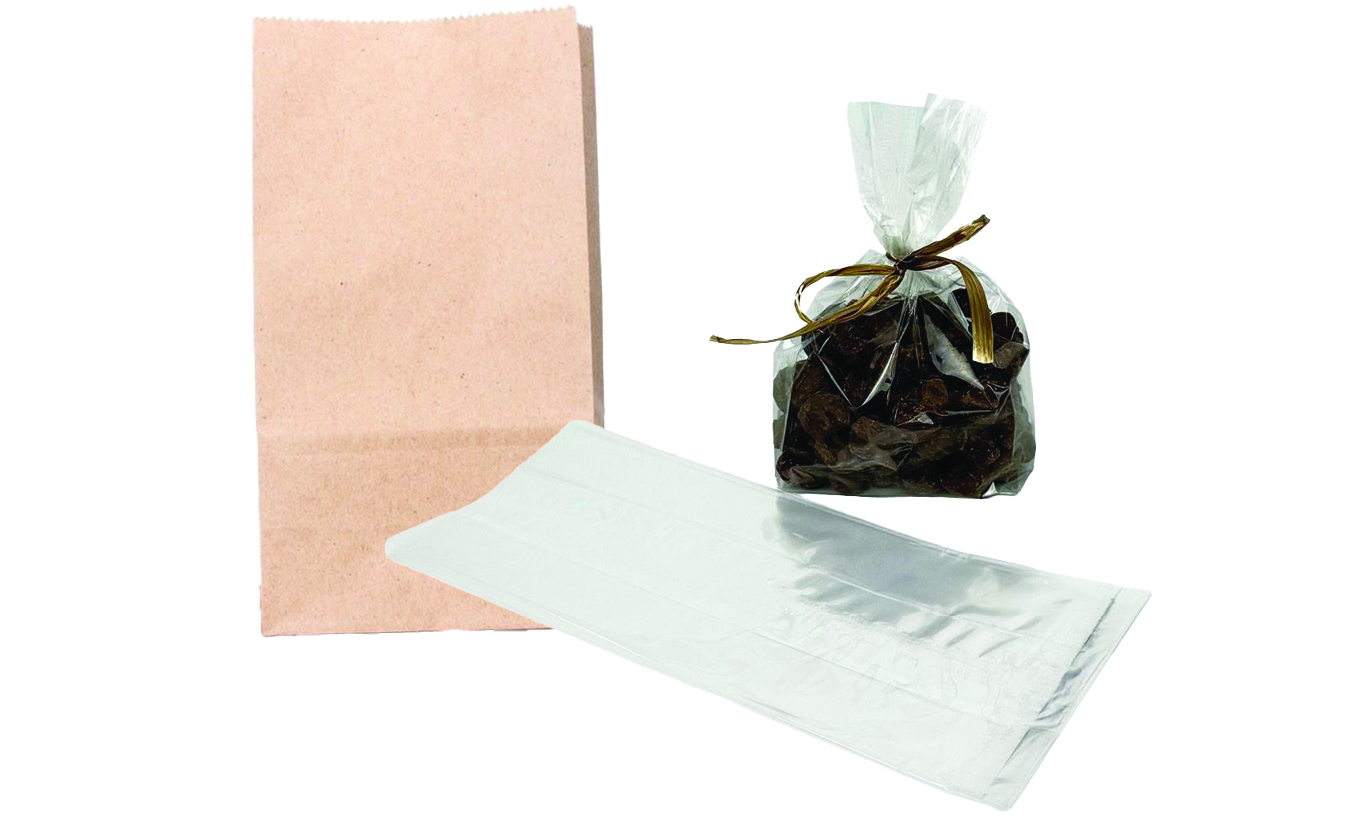
That said, occasionally there is some low-hanging fruit. This time, it was the single-use plastic bags in the Bulk section. Solution: Stop using them! Thankfully, we already have two other bag types on offer, which are brown paper bags with a high recycled material content, and “real” transparent cellophane bags. I say “real” because true cellophane is a product made from cellulose (i.e., plant fiber), not to be confused by thin, flexible plastics that sometimes go by the same name. Both the paper bags and the cellophane bags we offer are BPI certified as home compostable under ASTM 6400, and the paper bags are recyclable. Though, a humble suggestion from a practiced composter: if you are going to try processing either of these at home, shred the bags and all your browns in advance.
I’m glad we can stop using plastic in our Bulk Departments, but I must also mention that any currently available material at scale comes with unreasonable environmental and public health costs if only being used once before disposal, and that includes paper and cellophane. While recycling and composting is generally a better outcome for waste material, this doesn’t change the beginning-of-life costs of that same material. If harm reduction is a goal of yours, then one of the best things you can do is simply reuse the materials you already have.
Granted, organizing with other co-op members to lobby your local, state, and federal legislators for systemic change is the single most important thing we can do together to combat public health and environmental collapse. Second to that, purchasing local products, shopping for a low-impact diet, and bringing reusable containers and bags to the Bulk department are all among the most environmentally impactful things you can do at the co-op. Plus, the weFill incentive gets you a $0.25 credit for every container you bring from home. Even if you use the paper and cellophane bags to shop in bulk (maybe because you forgot your favorite glass jar at home), try practicing this in other ways by reusing those materials for something else. Because I am a weirdo and still send a hundred or so pieces of mail a year, I find the paper bags iron out into wonderful envelopes. Nobody has complained yet that my letters smell like beans.