Home
Hopes Are High on Growing a Natural Dye Co-op in Philly
by Barbara Sheehan, for the Shuttle
December 11, 2025
There is a noteworthy movement happening around the country for those who want to promote a sustainable lifestyle and a healthy planet. It’s manifested through the clothes we buy, make and wear, and the linens and other textiles we use in our homes.
Some call it “slow” or sustainable fashion, and it includes the use of upcycled clothing, “dead fabrics,” organic and natural fibers, and natural dyes. The Pennsylvania Fibershed describes in their mission statement that their goal is to “build a more sustainable, equitable and circular future for textiles and the environment.” To help achieve that, the group networks with clothing and textile industry professionals and through education on sustainable practices.
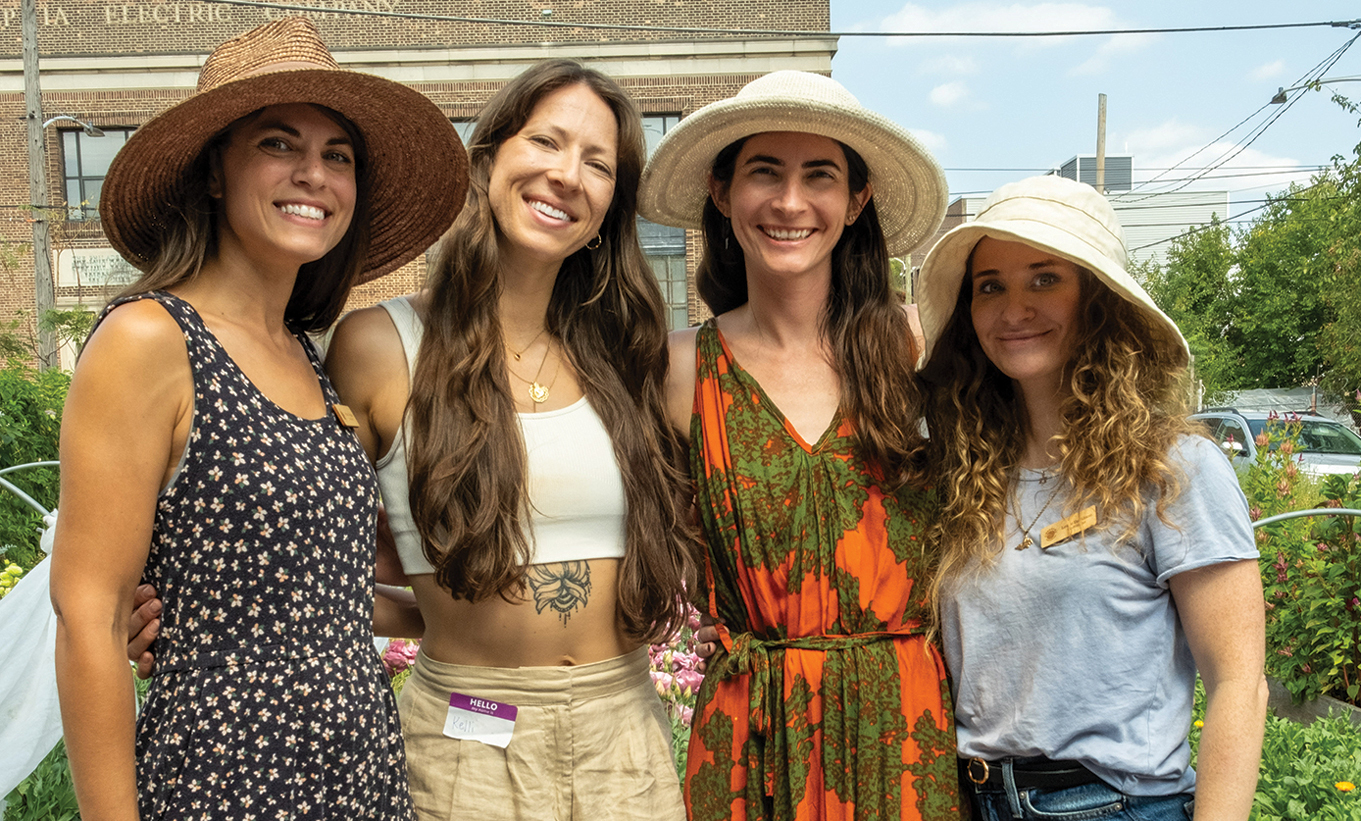
The organizers at PA Fibershed recognized the need for supplies and facilities for creatives who are working with natural dyes in this region. They partnered with members Kelli Silva and Lucy Rhodes, two designers who work with natural dyes, to help form the Philly Dye Co-op, a place for designers, creators, farmers and food industry professionals.
Rachel Higgins, co-founder of PA Fibershed, believes that even though natural fabrics can be more expensive and natural dyes less colorfast, “there is a shift in the industry now that people are more concerned about what they are putting on their bodies.”
Keystone Grant Pushes
Dye Co-op Forward
According to Higgins, the co-op started with a grant from the Keystone Development Center, an organization that specializes in forming co-ops around the state.
“We were talking about needing more natural dyers — there are not that many across the country,” she said. PA Fibershed did a lot of industry research and helped Silva and Rhodes develop a business plan.
Silva is a California-native fashion designer who relocated to Philadelphia in 2020 and launched a small business, Goddess Rising Intimates, which uses all-natural, plant-based dyes. She partnered with Rhodes, who teaches fashion at Drexel University and is the owner of Lacuna, a natural dye studio.
Both recognized the need to have a cooperative network of natural dye artists, food and plant producers and students dedicated to advancing a circular dye model in the Philadelphia area.
Natural dyes, as opposed to petroleum and chemical dyes, reduce the amount of waste headed for landfills by using food and flowers to create dyes.
The co-op’s objectives are to create a communal dye studio, a shared chain of food and flower suppliers and educational workshops. The plan will expand the use of natural dyes to artists, fashion industry professionals and consumers.
Three Levels of
Co-op Membership
The Philly Dye Co-op is currently recruiting members and has three categories of membership. Supplier Members can divert plant waste that would normally end up in a landfill and donate it to the co-op to create dyes; they might include restaurant owners, florists, grocery stores and farmers.
According to Rhodes, some commonly-used source materials include plants that will die, avocado pits and skins, onion skins, marigolds, roses and floral waste. Silva grows her own plants for use in dyes; Rhodes currently uses supplies from her kitchen or sources she finds online.
Artist members are seasoned or novice plant dyers who crave a common space for dyeing and the ability to network and share resources with other dyers.
Consumer members may want to add natural dyes to their creative projects, learn more about the process and generally support the co-op. All members will receive exclusive discounts on dyes and workshops.
Workshops that Rhodes and Silva have offered include one on shibori, a Japanese technique for surface design and resist dyeing, in which the artist folds the textile in different ways then dips it into natural dye. In another popular workshop, ice dyeing, the artist places ice made from water that contains the dye on a screen with the fabric underneath. As the ice melts, it creates interesting and unpredictable patterns in the fabric.
“It’s really creative, and people enjoy them because it is hands-on and they can take home something they’ve created,” Rhodes said.
Silva and Rhodes are actively recruiting at least 10 artist members who can commit to joining to launch a shared studio space this coming year; the location is to be determined.
“Natural dyes are really cool,” said Higgins. “You can use food waste, like onion skins or avocado pits, which extends the lifespan of the plant material. They are better for your health and the health of the planet.”
Interested in becoming a member? Contact the Philly Dye Co-op through their website at www.phillydyecoop.com or by emailing phillydyeinfo@gmail.com.