

559 Carpenter Lane
Philadelphia, PA 19119    
215-843-2350    


2129 72nd Ave.
Philadelphia, PA 19138    
215-276-0706   
The history of an urban farm


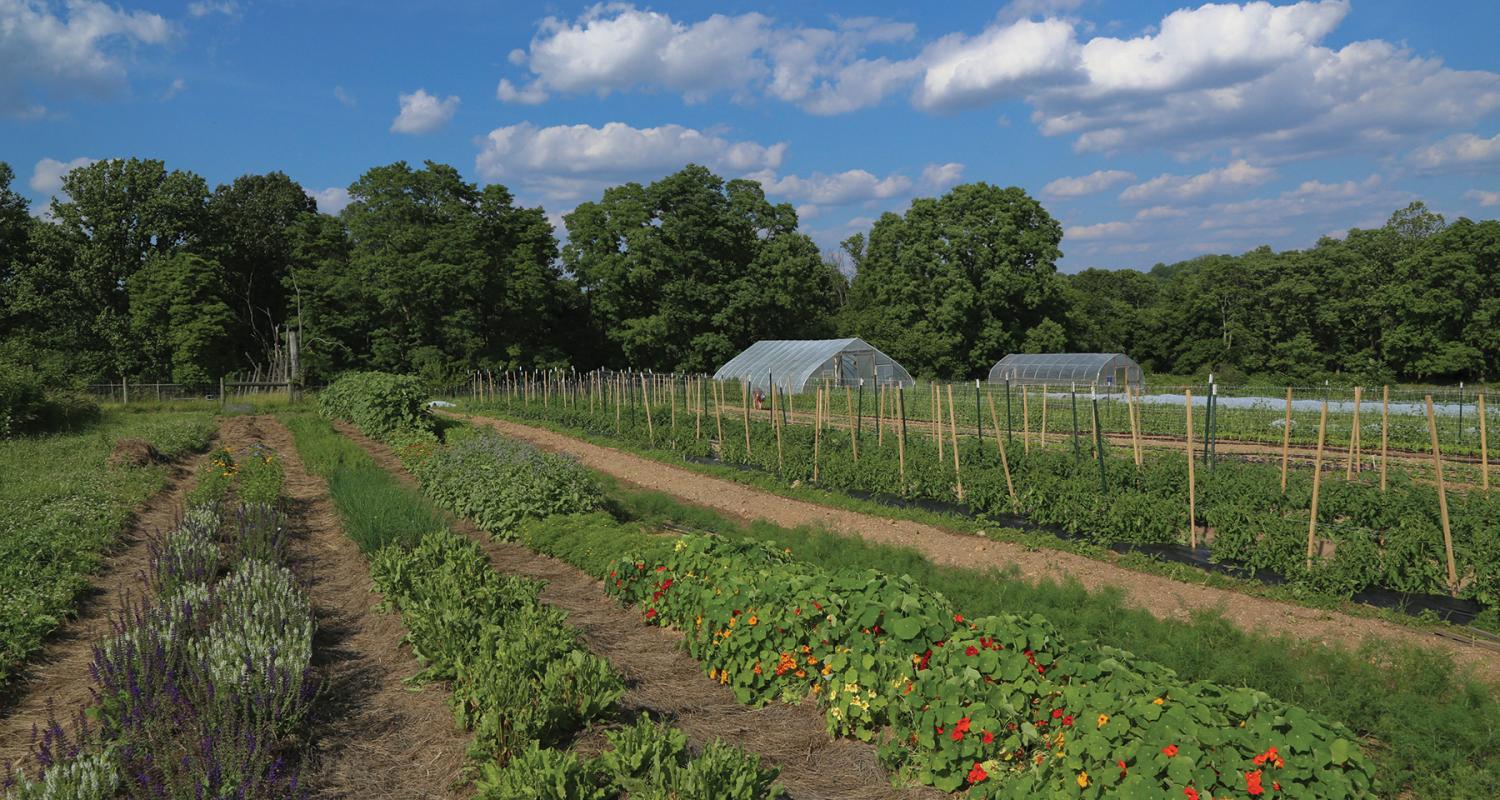
The growing success of the the Weavers Way Farm is rooted in volunteer passion and a good relationship with the co-op management, which sees value in really fresh, really local and often unusual heirloom and mini veggies.

The Mort Brooks Memorial Farm (aka, Weavers Way Farm) was established in 2000 by Mort’s wife Norma Brooks and her friends from the Co-op.  After Mort’s death in 1999, Co-op members gave generously to a memorial fund honoring his many contributions to the Co-op – most notably as a long-time board member – and from that fund grew the garden. 

Long-time Coop staffperson and gardener-extraordinaire, Steve Hebden, was the farm’s first manager.  Steve oversaw the cleaning up of the plot and planned and supervised the first year’s crop.  A Farm Committee was established to make major decisions about the direction of the farm.  During the first several years, committee members and a string of managers (paid and unpaid) provided all of the farm’s labor.

As the farm matured, the question arose of what to do with its produce.  Giving the produce away to food pantries was considered, but the committee needed revenue to pay for rent, supplies, and improvements.  Sales to the store were bumpy at the outset, particularly during the fiscal crisis of 2003, but with the arrival of Glenn Bergman as General Manager in 2004, farm produce was made most welcome and the Farm and Coop have developed an excellent working relationship.  With Produce Manager Jean MacKenzie’s help, crop plans are designed to meet the needs of the Coop produce department.

With its farming system on firm ground, the committee now plans to expand its educational program.  It will build on a successful relationship with the Coop’s neighborhood elementary school.  The fourth grade class at CW Henry School has visited the farm 3-4 times a year since 2000.  The farm program enriches the students’ experience by offering students the opportunity to help with planting, weeding, and harvesting, along with the fun they have trying to see who can collect the most worms.

Students from the School for the Deaf have also been working at the farm for about four years.  They work on the farm four or five half-days during the summer.  This has been a very gratifying experience for the students as well as the Farm volunteers who work with the students. It has proven to be a significant educational experience.

Wissahickon Charter School became involved more recently.  In 2005 the 6th grade science class received grow-lights from the farm committee.  They grew tomatoes under the lights this spring and transplanted them during a field trip to the farm in May.  Additional public schools have been invited to participate; the committee hopes to welcome at least two additional classrooms to the farm during the 2006-07 school year.

How was it possible to run a farm on all-volunteer labor?  Norma explained that, “The volunteers are reliable, helpful workers who enjoy coming to work at the farm and return frequently.  For me as the Chairperson it has been an extremely fulfilling experience because the committee functions in every way as an ideal committee should.  Everyone assumes a responsibility and does not require reminders or follow up.  It is a realization of how a committee should function. And it worked!”

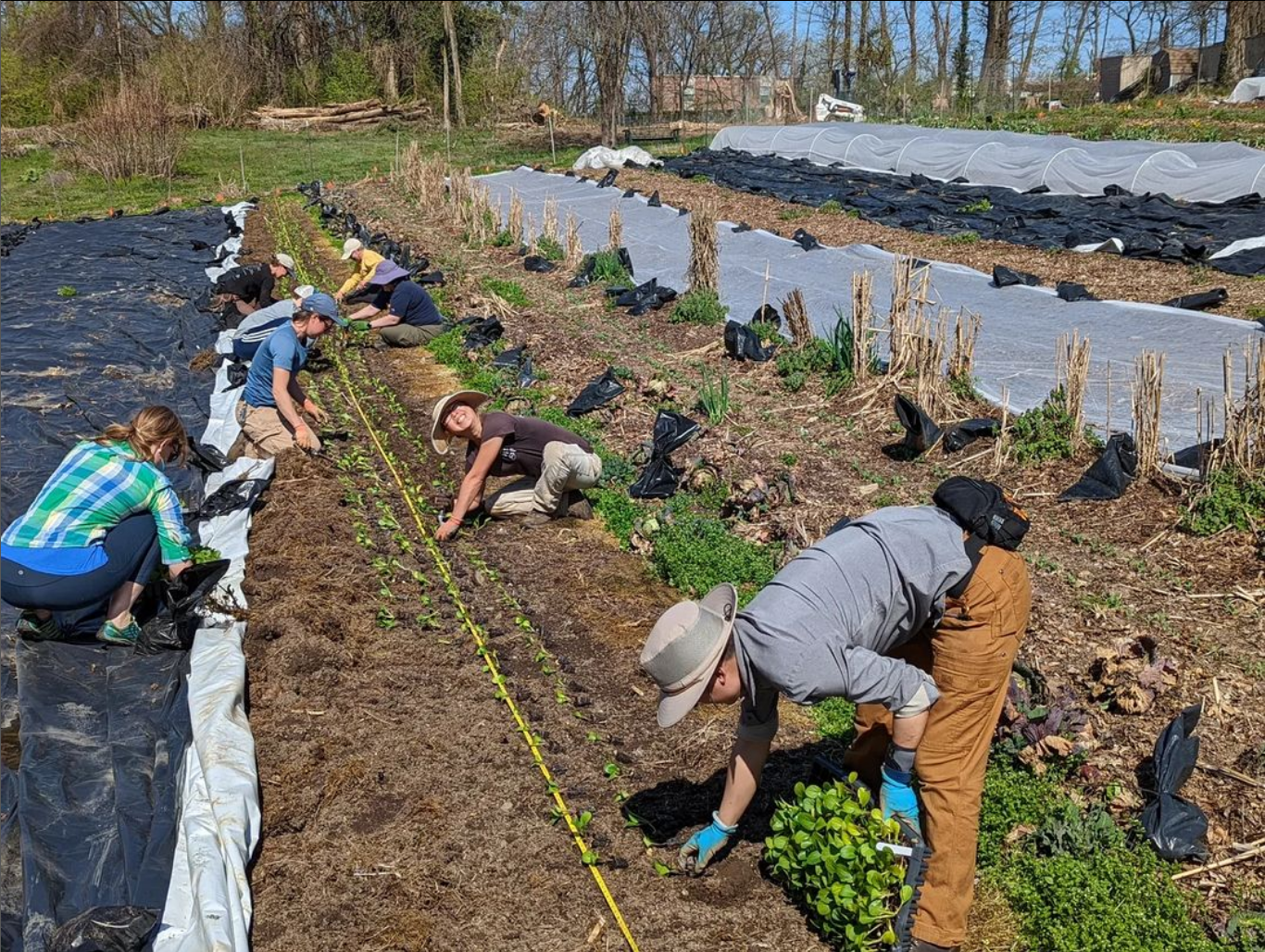
The scope of the farm grew steadily but gradually until January of 2007, when Weavers Way hired a full-time farmer, David Zelov, an experienced horticulturalist, manager, and organic farmer. The Co-op also added an adjacent plot of land, almost tripling the size of the farm. Zelov spent a busy off season planning for an even busier growing season, and with the help of an enthusiastic group of volunteers, several generous equipment donations, and a firm commitment from Weavers Way, David has managed to get almost all of the additional land under production. By mid July, the farm was on a pace to harvest more than $50,000 this year.

As the farm has expanded production, it has also expanded its educational mission. Weavers Way hired David Siller to help Zelov with the farm and to oversee the farm’s educational programs. Students from many area schools – including CW Henry School, AB Day School, Wyncote Academy, Pennsylvania School for the Deaf, Wissahickon Charter School, and Saul Agricultural School, as well as several local colleges and many home schoolers – have visited the farm and gotten their hands dirty planting, weeding, harvesting, and learning about where healthy food comes from.

In the Spring of 2007, Weavers Way Co-op created Weavers Way Community Programs to help administer the Co-op’s non-profit programs. In addition to the farm, these programs include a variety of environmental programs and our innovative Marketplace Program, a partnership with local schools in which students from area schools buy healthy, locally-produced products at cost from Weavers Way Co-op, then package, price and sell them to students and teachers. The students who run the Marketplace gain useful experience and learn about business, nutrition, and the importance of locally produced food. At the end of the school year, the students donate the profit to worthy causes of their choice.

Weavers Way’s board, staff and membership are excited about the possibilities at our farm, and the availability of this wonderfully fresh produce that is organically grown less than two miles from our store. Plans for the future include expanding both the harvest from the farm and educational programs available there, and the Co-op is currently exploring sources of funding for an executive director and looking at other ways to foster and support local farming in Philadelphia.